
5 tips to help you wear woollen knits: how do I make my wool sweater less itchy?
Why does wool itch and what can I do about it? How can I make it more wearable?
Why do we wear wool?
Wool is a wonderful fibre for knitwear. Well designed British wool knitwear looks good, takes dye well, is warm, and is naturally elastic which means it’s resistant to wrinkling, bagging and sagging.
We’ve probably been wearing woollen clothing since around 3,000 BC (no-one knows for sure exactly how long woollen clothing has been worn). And it’s likely that it’s been causing problems with itchiness for some of us ever since!
Full disclosure – I can’t wear most types of wool at all, so I don’t often use it for my knitwear…
Why does wool itch? How can I make it more wearable? Here are ways to make your British wool knitwear less itchy. And also some suggestions for lovely but less itchy options. #wool #knitwear #womens #womensknitwear www.susanholtonknitwear.com
Why does wool itch?
Wool is made of the same stuff as your hair, and your dog or cat’s fur - that is, it’s made of protein, and it’s naturally fairly hard and coarse. Wool fibres have scales along the outside of the fibre, it’s one of the reasons wool is a good insulator as the scales help to trap warmth. But it makes the yarn scratchier than a smoother yarn such as spun silk.
As a rule, fine thin wool will be less itchy than thicker, less flexible wool.
Is your wool allergy a mild one?
If you have a mild allergy or intollerance
If you have a mild allergy or intolerance to wool, you may be able to wear certain wool and wool mix yarns.
I don’t use wool in most of my knitwear, but when I do use it, the wool yarn which I use most often - because I and others with a mild allergy can actually wear it - is a wool/silk mix which a lovely colour and has little pops of contrasting colours in it. Many people with a mild intolerance to wool can wear garments made with this yarn. Its fibre content is approximately as follows:
50% merino wool
25% silk
25% nylon
The items below are in my collection and are made of 50% merino wool mixed with 25% silk and 25% nylon:


Do you have sensitive skin?
This can also cause wool to be itchy for you.
I was inspired to look into this problem in more detail by one of my customers who emailed me to say:
“‘I worry about buying woolly clothing that might be itchy as I have quite sensitive skin. I also worry about not looking after it properly. Washing etc. But it’s my go-to when it’s cold and I’m working from home, I love wrapping up in my big grey lambswool cardigan.’”
I totally sympathise. The itchy scratchy feel drives me to distraction. Luckily, there are exceptions, and as I have said above, after some research I have found a wool yarn which use in a small number of items in my collection (see pictures above).
If you are keen to reintroduce British wool knitwear into your wardrobe, you need to know how to choose the right knitwear so that you can reduce or stop the itching.
What can I do to stop wool from itching?
These are the key points:
Choose merino wool
Choose organic wool
Try the ultimate clean to ‘de-itch’ your lovely knits
Remove lint and bobbles
Wear a base layer
Read on for the details…
If you do find your wool sweaters or jumpers are too itchy, there are steps you can take to reduce or eliminate the itching. Here are five of the best.
#1. Choose merino wool
Merino wool is widely considered to be the least itchy of the ‘regular’ commercially produced wool fibres. It’s finer and softer than standard wool, and so it’s less stiff and more flexible, and so is MUCH more comfortable. I’m afraid it does tend to be more expensive than the thicker, coarser wool fibres which are the worst for itching.
#2. Choose organic wool
As a general rule, the more the wool has been processed, the itchier it will feel. If your budget will stretch to organic wool, it does tend to be kinder to your skin than non-organic commercially produced wool that has been treated with detergents and other chemicals. Also, as a rule, chemicals and detergents which have been used in processing organic wool are kinder and gentler, so the end result is likely to be softer and less scratchy. If you decide to buy organic, it’s best to buy from a reputable supplier so you know you are investing in the real thing. The downside of choosing organic wool is the cost.
#3. Try the ultimate clean to ‘de-itch’ your lovely knits
OK, so you’ve bought your lovely new wool sweater or jumper, or new wool hat or gloves, and it’s gorgeous, but it itches. What can you do? I haven’t tried the following method but it comes highly recommended.
Turn the jumper or sweater inside out and soak it in cold water with a little white wine vinegar
Gently massage a good quality hair conditioner* into the fibres
Let it sit for half an hour, then rinse thoroughly but gently
Let it dry while lying flat on a towel or a ‘dry flat airer’ designed for the job (you can find these online from companies such as Amazon and Lakeland, as well as in high street stores, and I’m not being paid to say this!)
Once fully dry, pop the knitwear into a sealed plastic bag and leave in the freezer overnight
Bring it back up to room temperature and put it on. Voila. No more itching!
*choose a good quality conditioner without wax and with as few additives as possible
#4. Remove lint and bobbles
Woollen garments (knitted garments in general) often attract lint, and may suffer from bobbles, balls, and long hair. Removing them with a lint roller and a bobble remover is a simple and affordable solution. It makes the knitwear look better while also helping to reduce the itchiness by removing anything which makes the surface of the knit less smooth. Lint and bobble removers are affordable, and offer a good solution when the itching is in a localized area. It may not overcome the issue completely, but you should notice a change.
#5. Wear a base layer
This one is my favourite, I usually wear a thin base layer when I wear my favourite stripy wrap and tie jacket/cardigan. If there is no direct contact with your skin, it can’t make you itch. For the best outcome, wear a base layer that covers your shoulders, arms, and neck as well as your torso. Maximum coverage gives the best possible prevention from itching and discomfort. (I like the thin cotton/bamboo long sleeve tops/tee shirts from Patra, and M&S’s ‘body sensor’ range, but there are many others, and I’m not being paid to say this!).
Finally… I always recommend hand washing
I recommend hand washing for delicate knitwear. Find more information on caring for your knitwear here.
However - what can you do if you really can’t wear wool at all?
You can choose your knitwear from a wide selection of non-itchy fibres
Non itchy fibres include cotton, silk and viscose.
If you would like a full list of my non-wool items please get in touch with me. I am always happy to help and advise.
Most of my knitwear uses non-wool non-itchy yarns
As I said at the very top if this blog post, I can’t wear most types of wool at all. This is why I design and make most of my knitwear using totally non-itchy fibres such as cotton, viscose and silk. These fibres have many positive characteristics which make them excellent choices for knitwear, and for clothing generally, and the fact that they aren’t itchy or scratchy is just one of these positive characteristics.
And I’m sure there are other designers and makers who do this.
Totally wool-free accessories
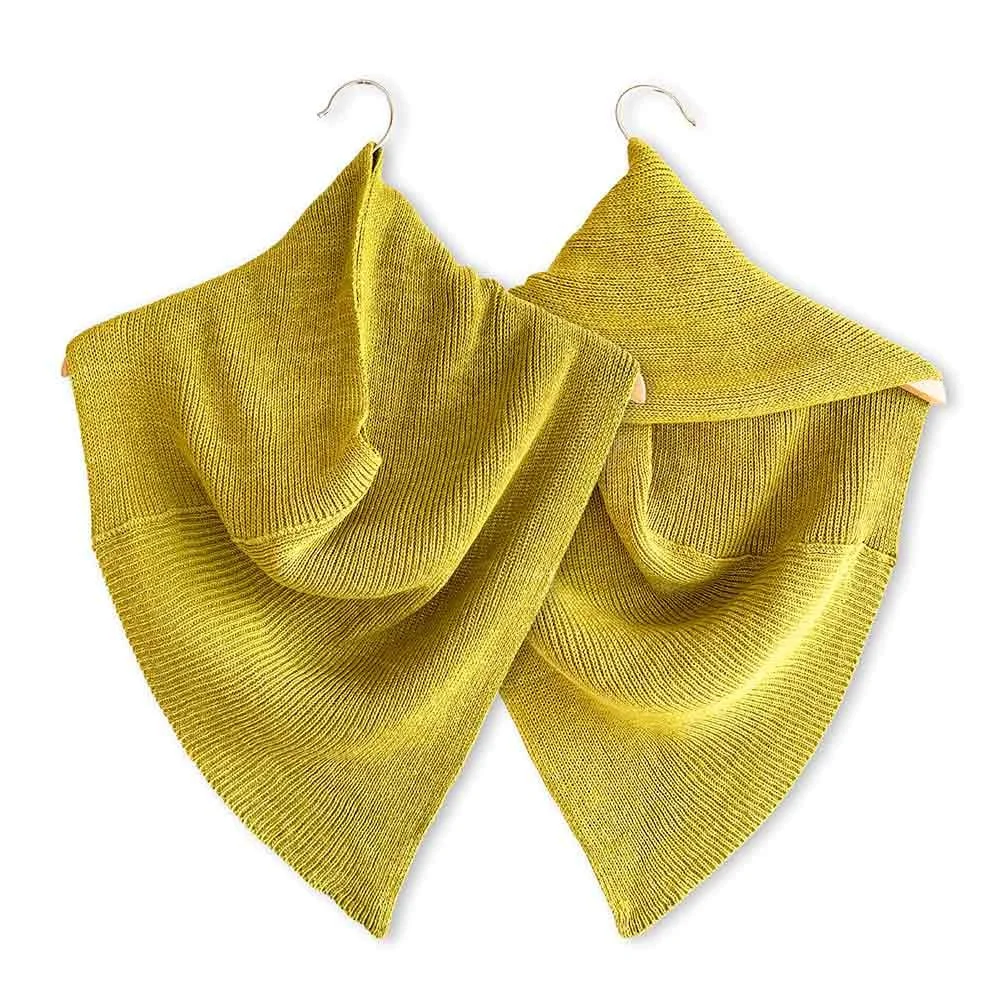
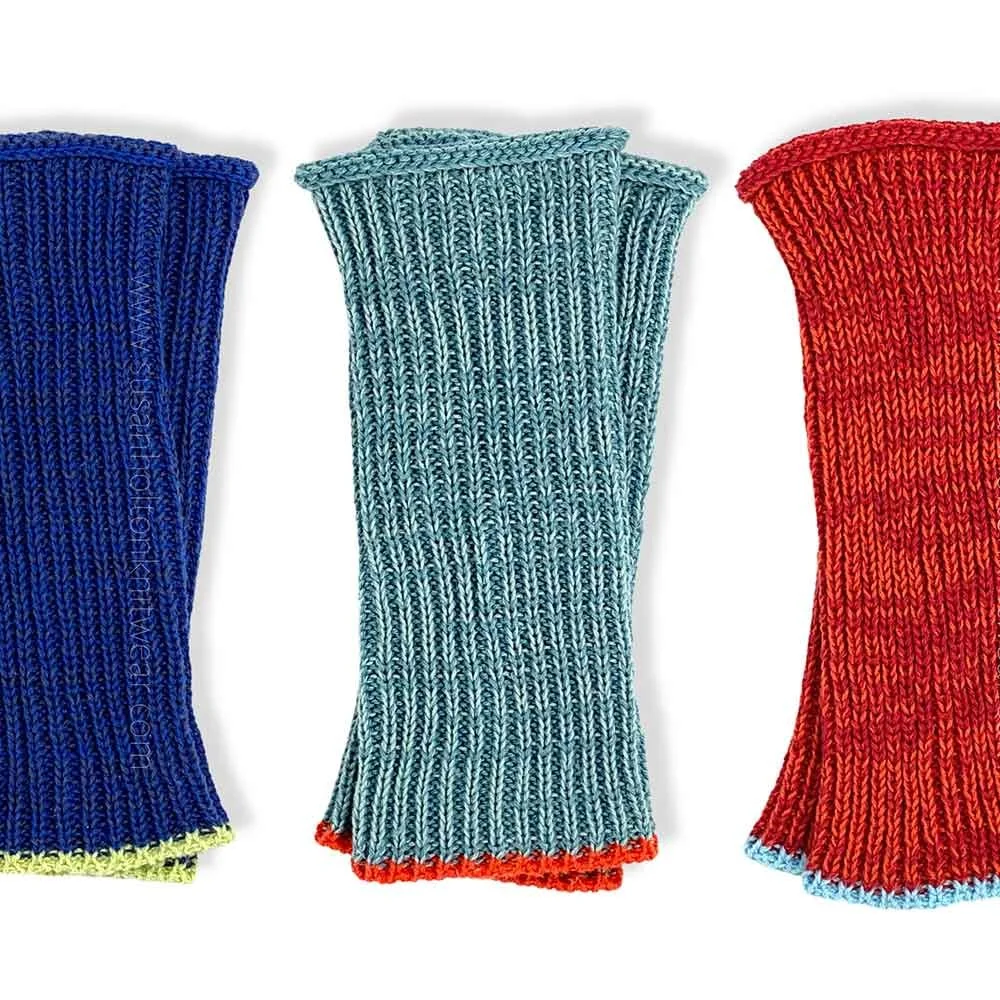
The scarves and mittens below are totally wool free
These are just a small selection of wool-free scarves, hats and mittens from my collection. Just click a picture to find out more, or get in touch if you would like a full list.



Totally wool-free garments
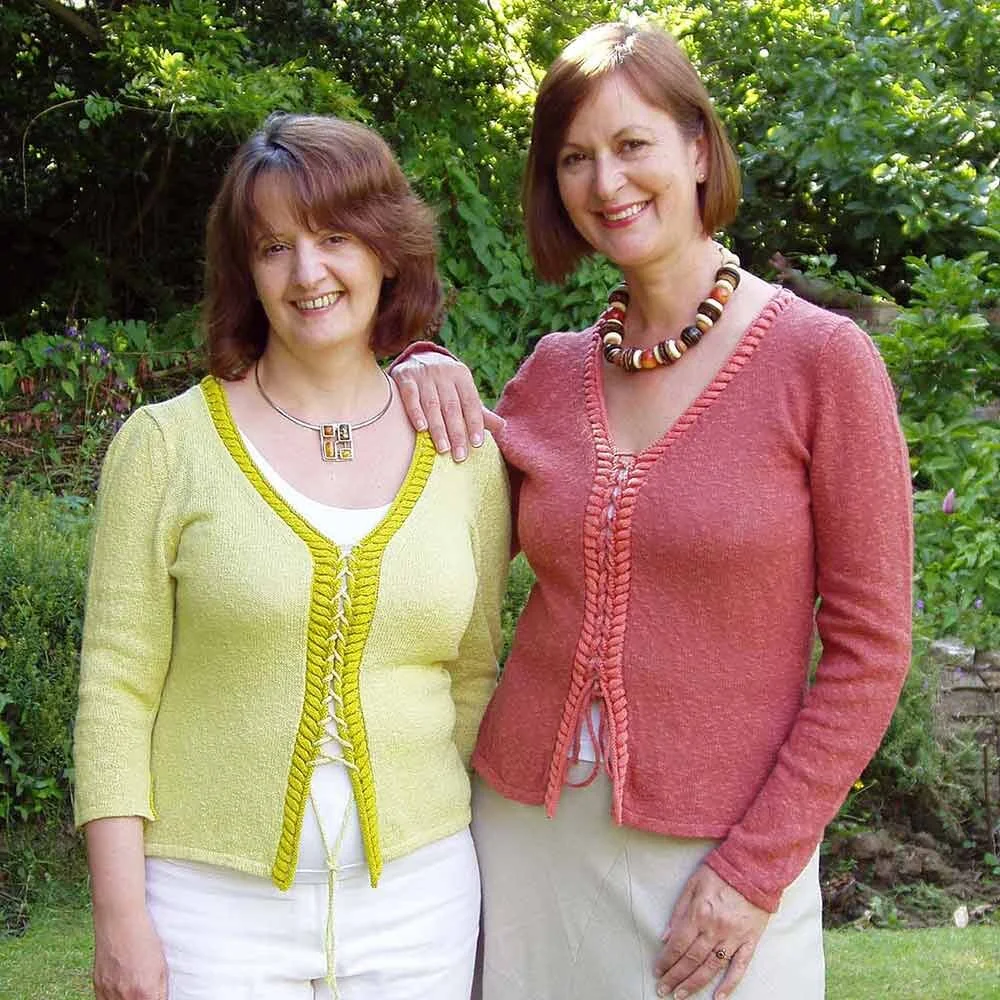
The garments below are also totally wool free (and there are others in my collection)
Click a picture to find out more. These garments are also just a small selection so please do get in touch with me if you would like a full list.



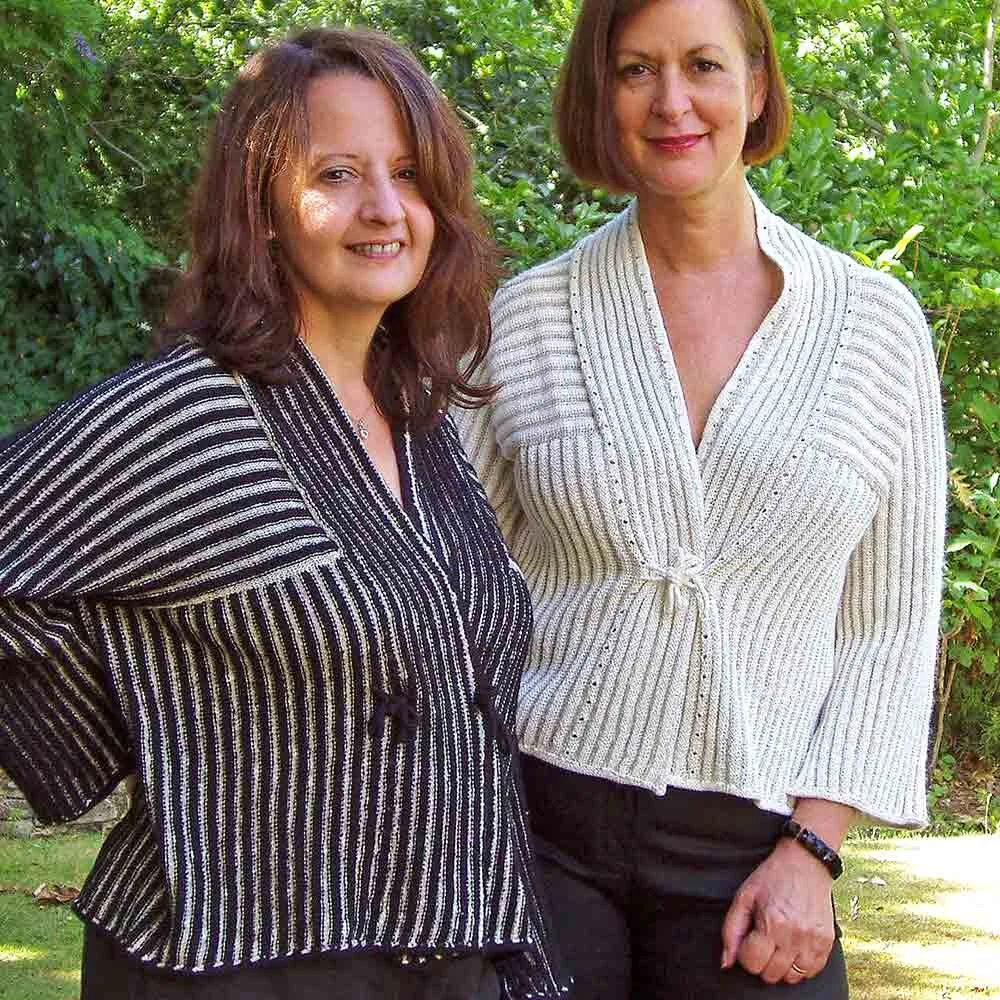

The pieces below are wool mixed with silk, cotton or linen
For those with a mild allergy, the pieces below use the same merino and silk yarn I mentioned above, but with the addition of cotton and linen yarns, so they have no more than 33% merino wool, and quite often a lot less than that:


About Susan Holton Knitwear
For those that don’t know me yet, I’m a Surrey UK based knitwear designer-maker creating luxury contemporary knitwear and accessories for women. This website is the main ‘shop’ for my knitwear, you can browse my shop by clicking the button above.
In addition, I exhibit at a few ‘in person’ events each year at which you can browse and try on (and buy, if you wish) a selection of my beautiful knitwear including cardigans and jackets, sweaters and jumpers, dresses and tunics, scarves, hats, mittens, wrist warmers and more. My knitwear is finely crafted and handmade in natural yarns in my home-studio in Surrey. It is never mass-produced.
Personal shopping at my studio
Would you like to shop in person at my home-studio? Please do get in touch if you would like to arrange a visit.
Find out about events, sales and other news by joining my mailing list
If you’d like to be kept in touch with my news, sales, events and offers you may like to join my VIP list. I won’t make a nuisance of myself, I’ll only email you when I actually have something new to say!
You may also find these blog posts interesting:


Susan Holton working at her knitting machine
Susan Holton creates beautiful wearable knitwear - for women of all ages shapes and sizes who want to look and feel fabulous.
Read more about Susan Holton Knitwear…
You may also like…


If you’d like to see more blog posts… you can browse all blog posts here, or click on a category from the list below:
On the blog - Mary Quant at the V and A is an exploration of the iconic London designer who revolutionised fashion, almost single-handedly invented swinging London, and created probably the first international fashion and lifestyle brand. // Susan Holton Knitwear is for women who love beautiful colours and stylish unusual, easy to wear, contemporary womens knitwear. #MaryQuant #knitwear #womensknitwear #fashion www.susanholtonknitwear.com