
Moth prevention – What you need to know to stop moths attacking your luxury knitwear
Clothes moths: A plague of biblical proportions? That’s an exaggeration, of course…
But I keep reading about how the clothes moth problem is getting worse and worse, so moth prevention is crucial
And the problem has been around for a long time. It even gets a mention in the Bible:
“The moth will eat them up like a garment; the worm will devour them like wool.”
Tips on how to prevent moths and protect your luxury knitwear
Moths are a serious worry for anyone with knitwear. Well, anyone with clothes really. I keep reading about how the moth problem is getting worse and worse, so this seems like a good time to look into it.

Moth prevention - tips to prevent moths and stop them eating your luxury knitwear and clothing
Many moth species are in decline - but clothes moths are thriving
Many moth species are in decline, but unfortunately the two species of clothes moths in the UK are actually increasing in number. This means that moth prevention is crucial.
The increase is caused at least in part by the fact that we keep our homes warm all year round, so there is no opportunity for cold winters to reduce the moth numbers for us. In a recent study English Heritage has recorded a 216% increase in moths caught in their moth traps between 2012 and 2016.
If you’ve ever had a moth infestation in your wardrobe, you’ll know how tasty they find your clothing. So, why does this happen, and what can we do to stop them?
In this guide I’m taking a two-pronged approach to the problem:
Why do moths eat clothing and knitwear?
How can we prevent them from doing this?
When you have finished reading this guide, you will know what you need to do to keep your luxury knitwear, clothing, and household textiles, safe from these tiny pests.
The lifecycle of a moth
It’s not the moth itself, but their larvae that do the damage
It turns out it’s not the moth itself that eats your clothes - it’s their larvae. As indicated in this article in LiveScience, this is because fully-grown moths don’t actually have mouths. So it’s impossible for them to eat holes through your clothes.

Moth prevention - everything you need to know about the lifecycle of the clothes moth.
What do moths love to eat?
The moths lay tiny eggs on your clothing and knits, and it’s the little larvae that hatch from these eggs which actually eat the material and do the damage. They typically choose knitwear because it is usually – although, of course, not always - made from animal fibres that contain keratin. Keratin is the same material that makes your hair and nails.
Clothes moths especially love wool, silk and cashmere
So as far as your knits are concerned, those made of keratin include wool, cashmere and silk. Keratin is a protein which the larvae eat to grow into moths. It’s thought that cashmere is probably the moth larvae’s dish of choice, but, sadly, if there isn’t sufficient animal fibre available, they will also munch on plant fibres such as cotton and linen.
“The good news is, once the larvae have turned into moths, they stop eating your knitwear. The bad news is that one moth can lay up to 1,000 eggs at a time.”
How can you prevent clothes moths from eating your luxury knits?
How do you stop the moths from ruining your wool, silk and cotton knitwear?
We need to take a two-pronged approach:
First - deal with the moths that are already present
Then - stop the moths from coming back
How do I get rid of the moths that are already present?
Here are three key tips to get rid of your clothes moths
1 Wash all of your clothes
You’ll need to wash your knitwear thoroughly to get rid of any larvae that have already infested them. Wash on as high a heat as the clothes can stand, this will kill the larvae and get rid of any on there.
However, please remember that many knits will be ruined if you wash them at too high a temperature. So as an alternative, if you have knitwear and clothing which will be damaged by washing at a high temperature…
2 Pop your clothes in the freezer
Yes, really! So if you have luxury knitwear or clothes that will be damaged by washing at high temperatures, your freezer is your new best friend.
First place the knits or clothing you want to treat in a plastic bag. If you have recently washed your knits you’ll need to make sure they are totally dry before placing them in the bag, to avoid condensation. For the same reason, the bag must also be well sealed to avoid condensation. Then you can place them in your freezer.
You’ll want to keep the items at sub-zero temperatures for at least 48 hours. Some sources suggest that as much as 72 hours is best.
3 Thoroughly clean your furniture, carpets and all areas around your clothes
Clothes moths love the dark, warm and undisturbed corners of your home (unlike other moths, they are not attracted to the light). Clothes moths can live in curtains, upholstery, and many other textiles around your home. And of course, they love the deep, dark corners of your wardrobe.
So, you’ll need to thoroughly clean all of the areas around your clothes (including the inside of your wardrobe), and empty your vacuum cleaner outside. One pro tip is to use a vinegar solution or a detergent soaked cloth to clean any areas where larvae or eggs have been found.
Following these steps will get rid of existing moth larvae, so now you can work on keeping them away:
Clothes moth prevention – how to stop them from coming back
Here are five good ways to help prevent the moths from coming back – and keep them away
1 Use cedar oil
Cedar oil is effective at keeping moths away as they are repelled by the pheromones present. Use this in a spray form and spray it in your wardrobe and around your room.
2 Keep a bag of herbs in your wardrobe
It seems that moths dislike the smell of some herbs. This mainly includes lavender, rosemary and thyme. Possibly also cinnamon and cloves. But it’s not just a question of a strong scent as apparently eucalyptus, lemon peel and mint have been found to be ineffective. So if you keep a bag of carefully chosen herbs in your wardrobe it is thought to help ward off pests. But, do remember that certain scents are very difficult to get out of clothing, so choose very carefully.
3 Brush your clothes
Moths can attach themselves to your clothes when you go outside. So, brushing them before entering the home is an easy way to remove any moth eggs and stop them from eating your belongings.
4 Check vintage clothing thoroughly
Vintage clothing is frequently a source of infestations of clothes moths. So if you buy vintage, check it very thoroughly before bringing it into your home. Ideally give it the freezer treatment when you first bring it home or, if you feel you really must, have it dry cleaned before you bring it home.
5 Finally – keep your clothes scrupulously clean
Moths especially love to munch on clothing imbued with human sweat or food particles (I know, yuk!). So don’t return dirty clothes or knits into your newly cleaned wardrobes or drawers.

You need to stay vigilant to protect your luxury clothing and knits from moths
You need to stay vigilant
Products to repel and prevent moths
There are many products you can buy to repel moths and kill their larvae, which you can hang in your wardrobes and place in your chests of drawers.
My approach to moth prevention
I have previously used Rentokil Moth Cassettes as a precautionary measure but, sadly, they have been getting increasingly expensive. For the last year or so I’ve changed to Lakeland Moth Cassettes, which are less costly than the Rentokil option, and are sometimes available at ‘sale’ prices. They seem to be effective both in keeping the clothes moths away, and in killing those few moths that brave the inside of my house. I’m fond of wildlife as a rule, but I’m afraid that clothes moths get no sympathy in my house!
I find that prices for all moth cassettes are fluctuating widely at the moment so it’s worth shopping around for them. I’m currently trialling some lavender imbued sachets that you place in drawers with your clothes, as well as moth traps, and some moth cassette alternatives. It’s worth experimenting to discover which solutions give you the best results.
Follow some or all of these tips to tackle your moth problem and remove any moths and larvae that are already present, as well as preventing them from coming back. Of course, if the issue is extremely severe - and you have a proper infestation - you should take advice from a pest control service to sort things out.
Moth prevention and elimination for my knitwear
Getting rid of moths and their larvae by washing them at a hot temperature is only suitable for certain fibres and fabrics.
PLEASE do NOT wash my knitwear or accessories at high temperatures even if you are trying to remove moth eggs or larvae.
The care instructions which come with all of my garments say cool hand wash. You can find full details about garment care for my knitwear here. My knitwear WILL be damaged if you wash it at a high temperature. It’s worth also bearing in mind that washing at higher temperatures is also bad for the environment.
So, to remove them you’ll need to use your freezer
So, if you need to remove moth eggs or larvae from luxury knitwear, pop it in the freezer as described above. This method is effective and is not destructive.
While you’re here…
I’d love it if you would have a look at some of my knitwear while you’re here.
You can click the button below to browse the shop… and please don’t hesitate to get in touch with me if you have any questions. I’d love to help.
I’ve included pictures of some of my current favourites below. If you click on the picture you’ll go straight to that page for more information…



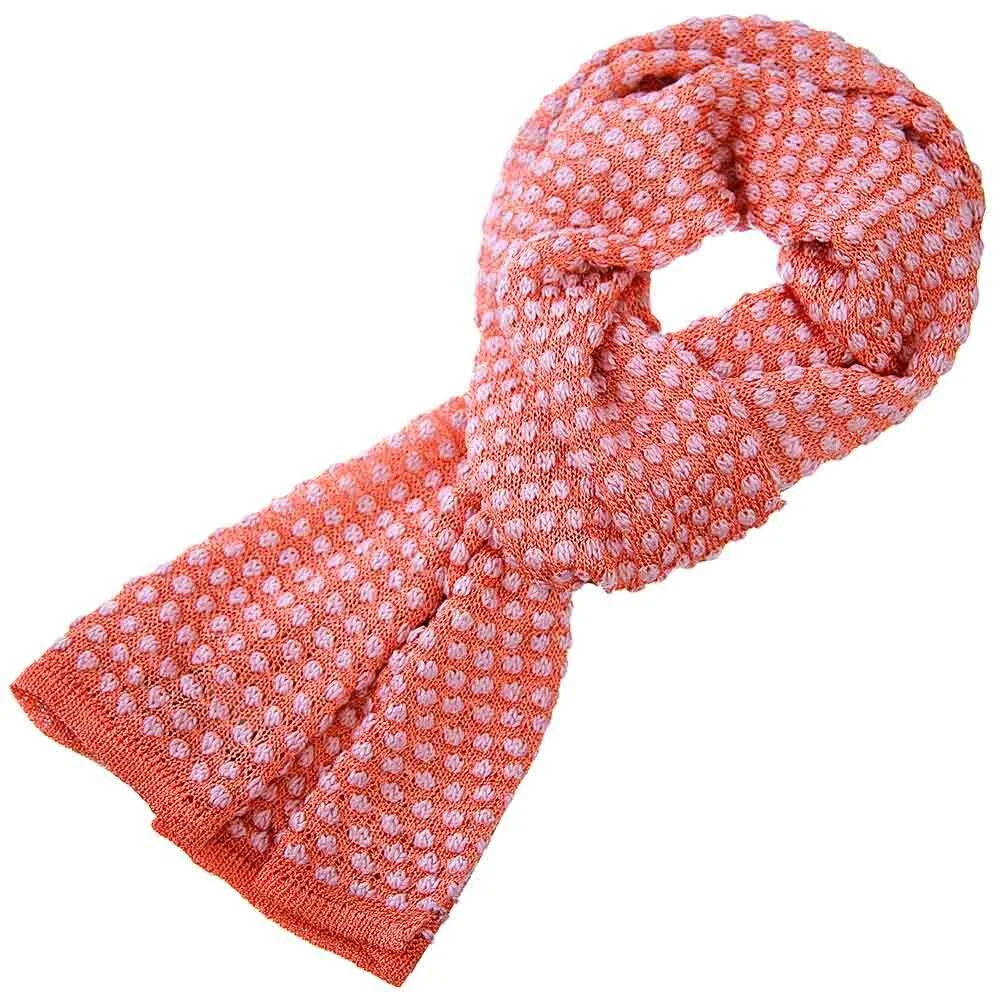
As always, please don’t hesitate to get in touch if you have any questions.
You may also find these blog posts interesting:


Susan Holton working at her knitting machine
Susan Holton creates beautiful wearable knitwear - for women of all ages shapes and sizes who want to look and feel fabulous.
Read more about Susan Holton Knitwear…
You may also like…

If you’d like to see more blog posts… you can browse all blog posts here, or click on a category from the list below:
On the blog - Why does wool itch? How can I make it more wearable? Woollen knitwear is lovely to wear, so it is frustrating if you can’t wear your favourite wool jumper or sweater because it makes you itch. So here are ways to make your British wool knitwear less itchy. And also some suggestions for lovely but less itchy options. #wool #knitwear #womens #womensknitwear www.susanholtonknitwear.com