
The new ‘Make do and mend’: a creative, sustainable way to repair and renew knitwear
‘Make do and mend’: the beginning…
It began with a pamphlet in Britain during WW2, when everyone had to ‘do their bit’ and ration their resources. So ways to repair and repurpose their clothing and household items were needed. The campaign came about because it was no longer possible to get supplies of dress fabrics, knitting yarns and clothes from abroad, and clothes manufacturers in Britain were required to concentrate on items needed for the war such as uniforms and parachutes. So posters and information leaflets gave advice on how to make clothes last longer and how to make more from less, with campaigns such as “Make Do and Mend” and "Dig for Victory".
If you would like to know more about the original ‘Make do and mend’ you can find many resources online. I especially liked this short article from the British Library.
‘Buy less, choose well, make it last’ - the new make do and mend
Today the Make Do and Mend concept is so much more than just a necessity; it’s a lifestyle choice that can help you express your creativity and personal style, while at the same time saving money and reducing waste and landfill.
Let’s turn fast fashion into slow fashion
It encourages people to reuse and repair their old or damaged clothes instead of throwing them away. Let’s turn fast fashion into slow, mindful fashion, and create a thing of beauty at the same time.

A collar with embroidery to camouflage the moth holes ©Prilly Lewis
“‘Buy less, choose well, make it last.’”
Knitwear that lasts
Many of you will know that my business is the design and creation of contemporary knitwear. I use high-quality yarns in natural fibres and incorporate innovative techniques to create beautiful and unique garments that last. The longer items last the happier I am - I hate waste. Of course I want my customers to continue to buy new items from me… but I also want the knitwear they wear to last as long as possible. I want the knitwear you choose to buy from me to be the piece you reach for to wear time and again. And I’m pleased to say that some of my customers are still wearing knitwear they bought from me 20 years ago.
Repair, renew, reuse, recycle, repurpose
With the best will in the world, items can get worn out, damaged, or (perish the thought!) eaten by moths. Moths are a growing challenge everywhere in Britain, and you can read some suggestions of ways to deal with them here. But, if the moths have already done their work and damaged your knitwear, all is still not lost. So I’d like to share with you some tips and tricks on how to deal with damaged knits, boost your sewing skills and turn your old or damaged knitwear into something new.
So here are some simple ideas to get you started:
Patch it
One of the simplest ways to mend a hole or a tear in your fabric is to patch it up with another piece of fabric. At the most basic level this might be using fusible bonding web which you can iron on, so no sewing is required. This is practical and easy but perhaps not very pretty. As an alternative, how about using use contrasting colours and patterns of fabric for your patch? Or cut up old sweaters or cardigans to use as patches on your knitwear. Adding colourful patches gives a fun and quirky look, or if you prefer, match to the original knit fabric for a more subtle effect.
Decorate it
If you have the skill, how about adding embroidery stitches or appliqué techniques as in the beautiful example above to decorate your patches and make them more interesting.
Darn it
Another way to fix a hole in your knitwear is to darn it. Darning is a technique that involves weaving yarn back and forth across the hole to fill it in. You can use the same colour yarn as the original garment, or choose a different colour for a creative touch. You can also use different types of yarns, such as wool, cotton, or silk, to create different textures and effects.


What do you do when your clothes wear out? Or have been attacked by moths?
What do you do when your clothes get worn out, torn or stained? Or your knitwear is attacked by moths? Do you throw them away or hide them at the back of your wardrobe? If you are looking for a sustainable and creative way to deal with damaged knits, you might want to try visible mending.
“‘If it can’t be reduced, reused, repaired, rebuilt, refurbished, refinished, resold, recycled or composted, then it should be restricted, redesigned or removed from production.’”
Visible mending
Visible mending is part of a larger movement which encourages people to reuse and repurpose their clothes creatively where possible. This movement is not only good for the environment, but also for your purse and your creativity. By visibly mending your knitwear, you can save money, reduce waste, and unleash your inner artist.
It’s a form of repair that celebrates the flaws and imperfections caused by damage, rather than hiding them. Instead of using matching yarns to fix holes and tears as invisibly as possible, visible mending uses contrasting colours and textures to create eye-catching patterns and designs. You can use techniques such as darning, embroidery, patchwork, or crochet to add some flair and personality to your knits.


A fun and artistic way to express yourself
Visible mending is not only a practical way to extend the life of your clothes, but also a fun and artistic way to express yourself. You can use visible mending to tell a story about your knits, such as where they came from, how they got damaged, or what they mean to you. You can also use visible mending to customize them and make them unique and original.
If you want to get started with visible mending, here are some tips and suggestions that can help you.
Getting started with visible mending
Gather some basic tools and materials. You will need a selection of yarns, needles, scissors, pins, and (ideally but not essential) a darning egg or mushroom. This is a wooden tool that helps you shape and stretch the fabric. You can use any yarns you have on hand, or buy some new ones in different colours and textures. You can also use embroidery floss, ribbons, buttons, beads, or patches to embellish your items.
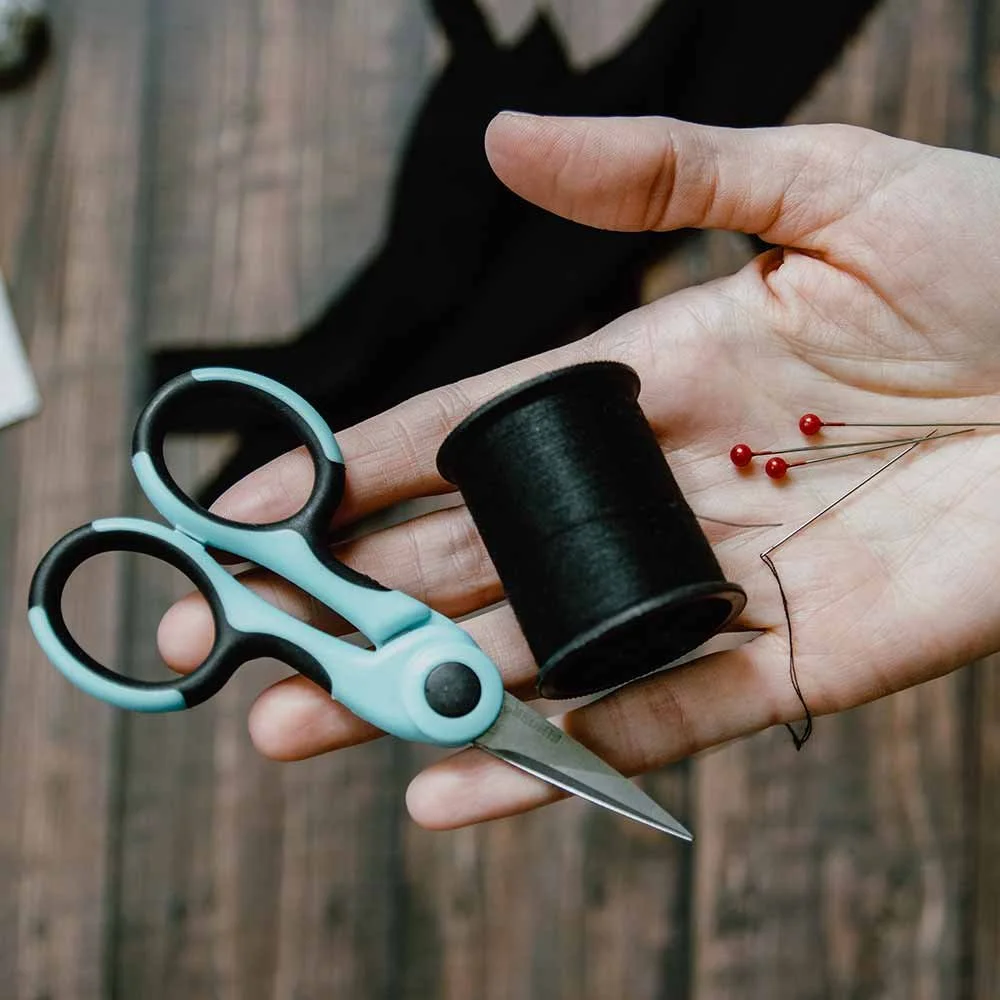
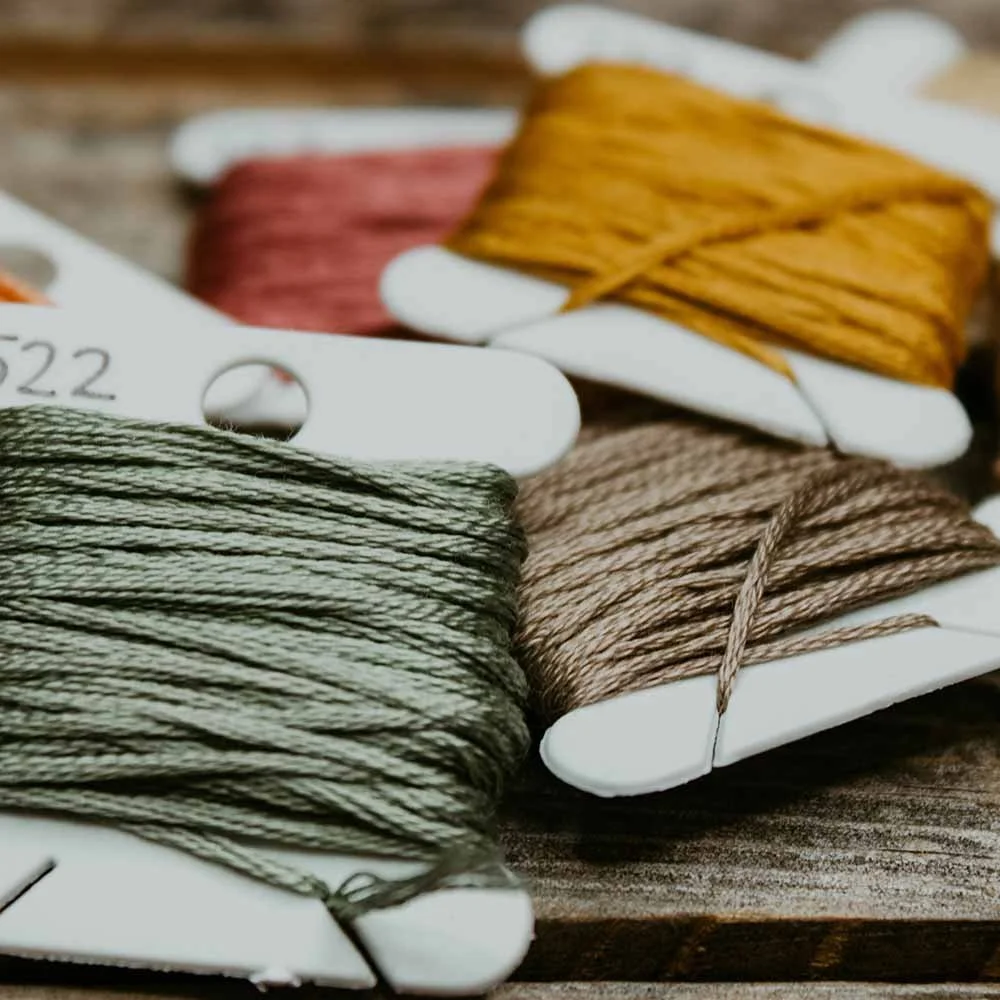
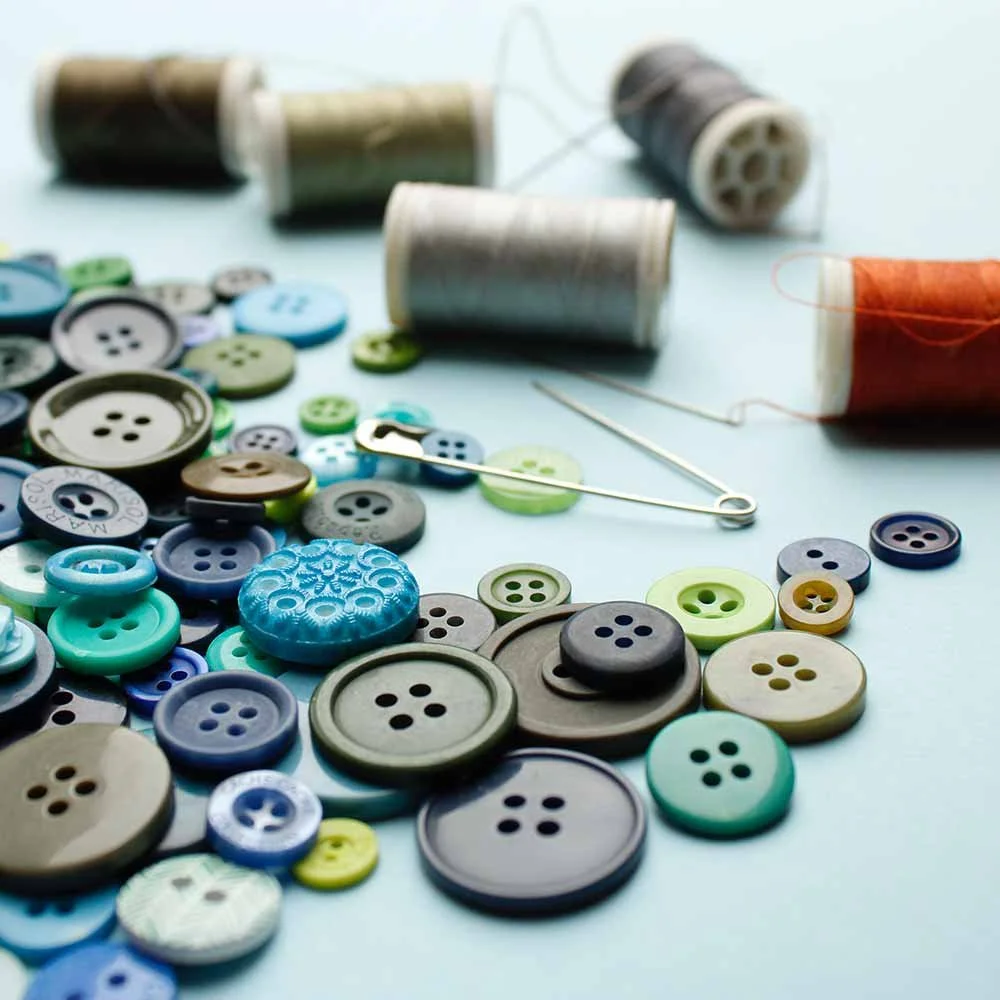
Find inspiration to help you get started with visible mending
You can browse online platforms like Pinterest or Instagram for examples of visible mending. You can also check out books and blogs that showcase different styles and techniques.
Enjoy the process and the outcome
Experiment and have fun. There are no rules or limits when it comes to visible mending. You can follow a pattern or tutorial, or make up your own design as you go along. You can be as subtle or as bold as you want. You can repair a small spot or cover the whole surface with stitches. The most important thing is to enjoy the process and the outcome. It’s a slow process which should be enjoyable and relaxing.


‘Buy less, choose well, make it last’
You can make your clothes last and reduce your impact on the world…
Buy good pieces that will last
Look after them well so they will stay looking good for longer
Wash or launder them carefully and only when you actually need to
Learn to repair them visibly or invisibly if needed (and enjoy the process)
Hand them down to your family and/or friends
Upcycle or repurpose them into something else
By making your wardrobe as sustainable as possible you are reducing your consumption, saving waste, and reducing the number of items going to landfill.
“...I bought it originally for my mum. After she died, it came down to me, so there is an added joy for me now in its connection with her. Sue’s clothes truly do suit all ages and shapes. Beautifully made clothes, that last.”
Bring old and damaged clothes back to life
It’s much more than just ‘making do’ or being utilitarian, it’s about enhancing your clothes - being creative and inventive - repairing and remaking them.
Visible mending is a wonderful way to transform your clothes from old and battered to new and beautiful. By adding some colour and texture you can make them more attractive and wearable. You can also show off your skills and creativity to others. So grab your yarns and needles and start mending!
FIND OUT ABOUT EVENTS, SALES AND OTHER NEWS BY JOINING MY VIP LIST
If you’d like to be kept in touch with my news, sales, events and offers you may like to join my VIP list. I won’t make a nuisance of myself, I’ll only email you when I actually have something new to say!
Visible mending by Prilly Lewis
I’d like to say a big ‘thank you’ to Prilly Lewis who has kindly supplied the visible mending images in this blog post. Prilly is an expert in this field, and you can see more of her textile creations and textile repairs on her Instagram.
You may also find these blog posts interesting:


Susan Holton working at her knitting machine
Susan Holton creates beautiful wearable knitwear - for women of all ages shapes and sizes who want to look and feel fabulous.
Read more about Susan Holton Knitwear…
You may also like…

If you’d like to see more blog posts… you can browse all blog posts here, or click on a category from the list below:
On the blog - Why does wool itch? How can I make it more wearable? Woollen knitwear is lovely to wear, so it is frustrating if you can’t wear your favourite wool jumper or sweater because it makes you itch. So here are ways to make your British wool knitwear less itchy. And also some suggestions for lovely but less itchy options. #wool #knitwear #womens #womensknitwear www.susanholtonknitwear.com